


Fertility treatment has evolved significantly over the last decade, especially for couples facing complex conception challenges. While many people are familiar with IVF, fewer understand when ICSI becomes necessary and how it differs from standard fertility procedures.
Couples searching for the best doctor for ICSI or IVF treatment in Worli, Lower Parel, Chinchpokli, and Lalbaug are often trying to understand why advanced reproductive techniques may be recommended after unsuccessful conception attempts.
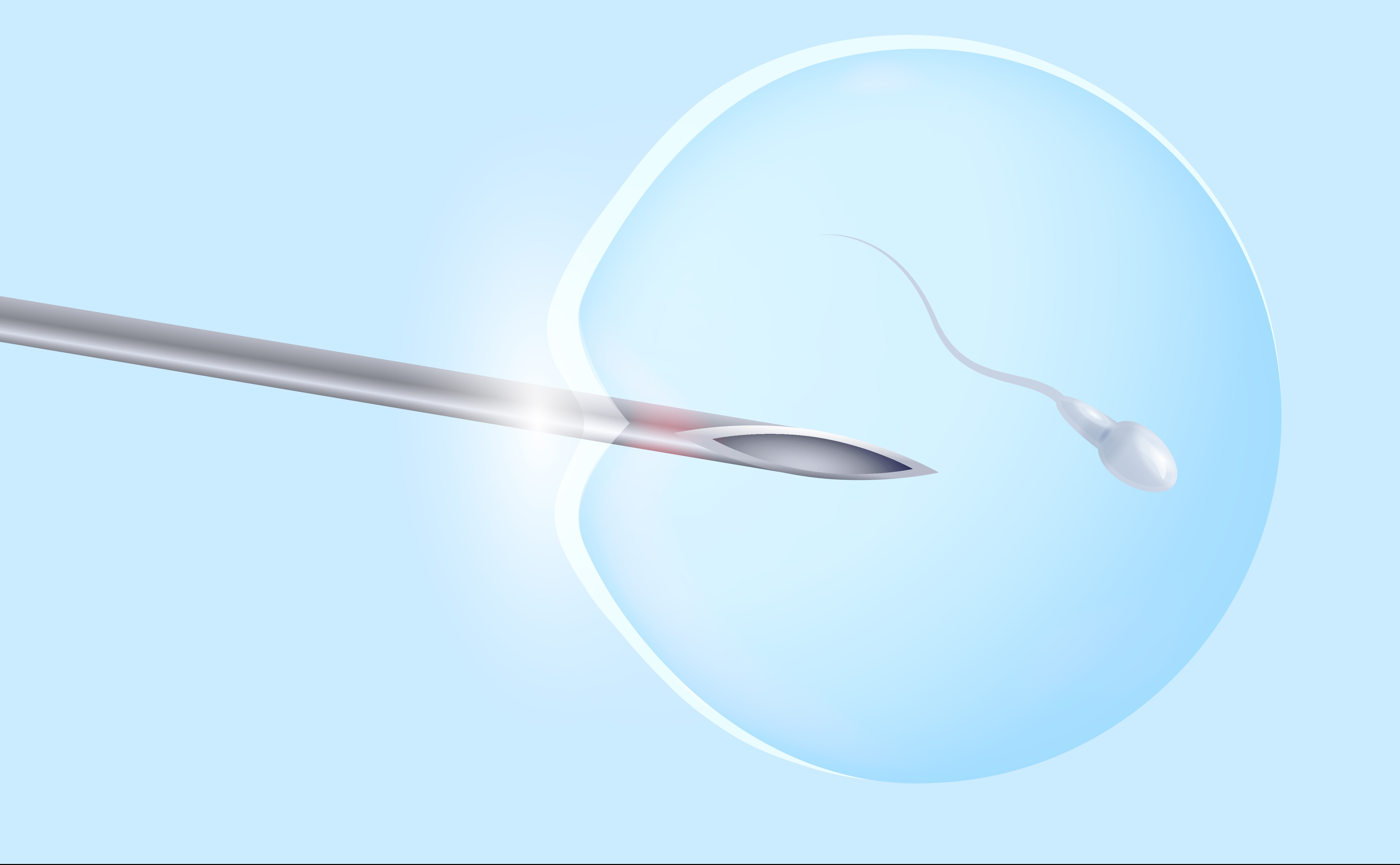
ICSI, or Intracytoplasmic Sperm Injection, is an advanced fertility procedure commonly performed alongside IVF. In this process, a single healthy sperm is injected directly into an egg to improve fertilization chances.
Doctors may recommend ICSI in situations such as:
- Low sperm count
- Poor sperm motility
- Previous failed IVF fertilization
- Male infertility concerns
- Frozen sperm usage
- Certain unexplained infertility cases
Many couples become emotionally overwhelmed when fertility treatment discussions move from basic interventions toward advanced procedures. Questions about success rates, treatment complexity, emotional readiness, and financial planning naturally arise during consultations.
At Dr Spenta's Gynaec Clinic in Mumbai, fertility evaluations are generally approached through detailed reproductive assessment rather than immediately recommending advanced procedures for every patient. Factors such as age, ovarian reserve, hormonal balance, previous treatment history, and sperm health influence treatment direction.
One important misconception is that IVF and ICSI are separate entirely unrelated procedures. In reality, ICSI is often considered a specialized fertilization technique used during IVF cycles.
Couples should also understand that fertility success depends on multiple interconnected factors, including:
- Embryo quality
- Egg health
- Uterine condition
- Hormonal stability
- Maternal age
- Overall reproductive health
Women in Mumbai increasingly seek fertility specialists who discuss realistic expectations instead of guaranteeing immediate success. Fertility treatment outcomes vary significantly between individuals, even when similar medical conditions exist.
Lifestyle also influences fertility outcomes more than many couples realize. Smoking, stress, poor sleep, obesity, unmanaged hormonal imbalance, and delayed treatment can all affect reproductive health over time.
Another growing concern among couples is emotional exhaustion caused by repeated failed conception attempts. Fertility care today often includes not only medical support but also continuous guidance that helps patients navigate uncertainty more confidently.
Women with PCOS, endometriosis, irregular ovulation, or hormonal disorders may sometimes require fertility planning earlier than expected. Similarly, couples delaying parenthood into their late thirties increasingly seek reproductive consultation to understand age-related fertility decline.
Patients searching for the best gynecologist in Mumbai frequently prioritize clinics where fertility treatment feels transparent, structured, and patient-focused rather than overly commercialized.
Advanced reproductive medicine has created possibilities for many couples who once believed parenthood might not be achievable. Still, understanding the purpose and limitations of procedures like ICSI remains essential before beginning treatment.
For many couples in South Mumbai, the first step toward fertility care is not treatment itself but gaining clarity about reproductive health, realistic timelines, and individualized medical guidance.


