
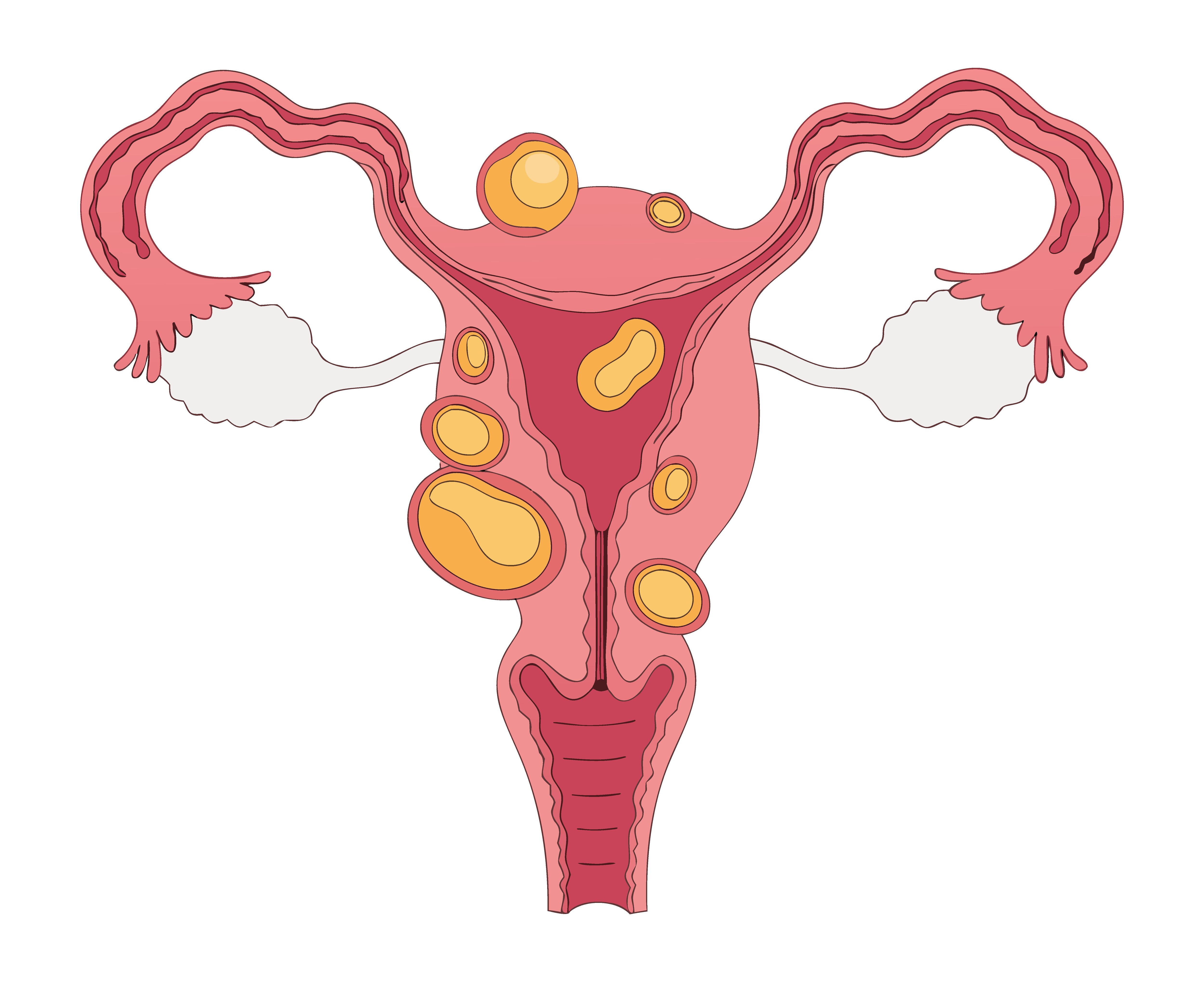
Before you schedule surgery, you need more than a diagnosis and a date: you need to know the treatment goal, the alternatives, the proposed operation and the surgeon’s relevant results. Use the questions below to decide whether hysterectomy is appropriate, what consent should cover and what practical details to confirm before paying or booking.
Key takeaways
- Ask whether observation or another treatment is safe before scheduling surgery.
- Confirm whether the cervix, ovaries, fallopian tubes or uterus will be removed.
- Compare laparoscopic, vaginal and abdominal routes for your specific diagnosis.
- Request an itemised quote covering hospital, surgeon, anaesthesia and follow-up fees.
What is the exact diagnosis, and must surgery happen now?
A hysterectomy is justified only when the diagnosis, treatment goal and urgency are clear. During a hysterectomy consultation in Mumbai, ask what could happen if you wait and whether observation is safe when symptoms are mild and tests show no dangerous condition.
Ask the doctor to confirm:
- Which findings establish the diagnosis?
- What must be excluded through pelvic examination, pregnancy testing where relevant, ultrasound, endometrial sampling or hysteroscopy?
- For postmenopausal bleeding or suspected cancer, has focused assessment happened before routine fibroid surgery?
- If heavy bleeding is the problem, do medicines, a hormonal intrauterine system, endometrial ablation, myomectomy or uterine-artery embolisation fit your findings and pregnancy plans?
- If you may want to carry a pregnancy, can treatment preserve the uterus, or should you see a reproductive-medicine specialist first?
| Option | What it does | Key limitation |
|---|---|---|
| Observation | Monitors mild symptoms and test results | Unsafe if cancer or another dangerous condition remains possible |
| Myomectomy or embolisation | Treats fibroids while retaining the uterus | Suitability depends on fibroid location and pregnancy plans |
| Hysterectomy | Permanently removes the uterus | Ends the ability to carry a pregnancy |
At a uterus removal consultation in Mumbai, ask how a fibroid or presumed benign mass will leave the body. If power morcellation is planned, discuss alternatives and the risk of spreading unsuspected cancerous tissue before consenting.
Which organs will be removed, and what will remain?
Ask the surgeon to write down exactly which organs will be removed and which will remain. The operation may be:
| Option | What it removes | Key consequence |
|---|---|---|
| Total hysterectomy | Uterus and cervix | No future pregnancy; no cervical screening only if your clinician confirms it is unnecessary |
| Subtotal or supracervical hysterectomy | Uterus, with cervix left behind | Occasional bleeding and continued cervical screening may apply |
| Radical hysterectomy | Uterus, cervix and surrounding tissue | Usually considered for cancer and may affect nearby organs and treatment |
Ask whether both fallopian tubes and ovaries will be removed, conserved or managed differently. Removing both functioning ovaries causes immediate surgical menopause; retaining them usually avoids an immediate hormone change, although ovarian function can decline earlier after hysterectomy. Discuss your age, ovarian disease, cancer risk and the reason for surgery.
Ask whether both tubes can be removed while conserving the ovaries. Opportunistic salpingectomy may reduce future epithelial ovarian-cancer risk without causing surgical menopause, but it does not eliminate that risk and is not suitable for every operation.
If the cervix remains, ask about possible bleeding and future Pap or HPV screening. Give the surgeon your Pap-test history, HPV results and records of abnormal results or treatment.
If both ovaries may be removed, discuss hot flushes, bone and heart health, hormone therapy, migraine, clot history, breast-cancer risk and endometriosis. A search for hysterectomy doctor near me is only a starting point; request this scope in writing before booking.
Which surgical route offers the safest recovery for my case?
The safest route is the one that fits your uterus, disease, anatomy and surgical team—not the one with the newest name. Ask, “What route do you recommend and why?” A hysterectomy surgeon in Mumbai should explain the expected benefit and the chance of changing to open surgery.
| Option | What it involves | When it may apply |
|---|---|---|
| Vaginal | Uterus removed through the vagina, with no abdominal incision | Often supports shorter recovery; access can be difficult with a very large uterus, limited access, extensive adhesions, endometriosis or cancer staging |
| Laparoscopic | Several small abdominal incisions using a camera and instruments | Often enables earlier normal activity than open surgery; prior operations, dense adhesions, uterine size, anatomy or malignancy risk can limit it |
| Robotic-assisted | Minimally invasive surgery using robotic instruments controlled by the surgeon | Requires suitable equipment and an experienced team; it is not automatically safer and may cost more |
| Abdominal | Uterus removed through a larger abdominal incision | Can suit a very large uterus, extensive disease or suspected cancer, but usually brings more pain and slower recovery |
Compare the surgeon’s robotic and standard-laparoscopy results, including conversion, complications and reoperation rates—not the technology’s marketing. A hysterectomy doctor near me should also explain why vaginal or laparoscopic surgery is unsuitable if recommending an abdominal operation.
Ask for written estimates of discharge, driving, lifting, exercise, work and vaginal intercourse. Also ask the chance of conversion to open surgery.
How can you verify the surgeon, hospital and risks?
Before you consent, verify the doctor’s medical registration and ask how many hysterectomies they perform each year using your proposed route. A hysterectomy surgeon in Mumbai should also explain their conversion-to-open-surgery, complication, readmission and reoperation experience.
| Claim | Evidence to request | Not enough |
|---|---|---|
| “Experienced surgeon” | Registration number and route-specific annual case volume | Online ranking or “hysterectomy specialist” |
| “Safe hospital” | Named emergency, blood-bank and intensive-care arrangements | Hospital branding alone |
| “Complete consent” | Written, operation-specific risks and alternatives | A generic consent form |
Ask for approximate personal rates of bleeding or transfusion, infection, blood clots, anaesthesia complications, bladder, ureter or bowel injury, conversion to open surgery, readmission and reoperation. Ask who will perform each surgical step, who will provide anaesthesia and which hospital will manage an emergency or intensive-care requirement.
Confirm how the hospital labels, transports and examines tissue, including whether a pathologist reviews it, and ask when the final histopathology report will be available. Discuss vaginal cuff separation, bleeding or infection after cervix removal, and whether your diagnosis affects sexual function, pelvic-floor symptoms or future treatment.
A consultation at Dr. SPENTA's GYNAEC CLINIC is useful if it produces a written diagnosis, route recommendation, alternatives, credentials, risk discussion and referral plan for comparison. Before you book hysterectomy consultation in Mumbai, judge documented decision-making—not a clinic name or online ranking.
Related service
LAPAROSCOPY Hysterectomy It is a surgical procedure to remove the uterus. You will not be able to get pregnant after this surgery. |
What will the operation cost, and what should the booking include?
An itemised estimate should show surgeon and anaesthetist fees, operating-room charges, room category, pathology, imaging, medicines, blood products, mesh or other devices and follow-up visits. Confirm that it also includes preoperative tests, compression devices, histopathology and a review of the final report.
Ask what happens financially when the planned course changes:
| Situation | Question to ask |
|---|---|
| Extended admission | What is the daily room and treatment charge? |
| Laparoscopy converted to open surgery | Which extra surgeon, theatre and hospital fees apply? |
| Complication requiring another procedure | Who pays for the additional operation, tests and admission? |
Before you book hysterectomy consultation in Mumbai, ask how long you should stay away from work, who can drive you home, when you can drive, how much lifting is allowed, when exercise and vaginal intercourse can resume, and which symptoms need urgent review.
Recovery usually takes longer after abdominal surgery than after vaginal or laparoscopic surgery.
Request written instructions covering fever, heavy bleeding, wound changes, calf pain, chest pain, breathlessness and difficulty passing urine. Confirm the operation date, fasting instructions, medication changes, blood-thinner plan and the person to contact outside clinic hours.
You should leave a uterus removal consultation in Mumbai knowing the diagnosis, alternatives, organs to be removed, surgical route, named team, major risks, recovery limits and total estimated cost. If any answer is unclear, delay booking until the surgeon explains it in plain language.
Frequently asked questions
What should I ask before booking a hysterectomy in Mumbai?
Ask for the exact diagnosis, the purpose and urgency of surgery, alternatives, the consequences of waiting, the organs to be removed, the proposed surgical route, recovery expectations and the total itemised cost.
Which organs are removed during a hysterectomy?
A hysterectomy removes the uterus. The cervix, fallopian tubes and ovaries may remain or be removed depending on your diagnosis, age, cancer risk and treatment plan, so ask the surgeon to specify each organ.
How do I compare hysterectomy surgical routes?
Ask whether vaginal, laparoscopic or abdominal hysterectomy is suitable for your uterus size, previous operations, adhesions, medical conditions and diagnosis. Compare incision size, hospital stay, recovery time and conversion-to-open-surgery risk.
How can I check a hysterectomy surgeon and hospital in Mumbai?
Verify the surgeon’s medical registration, relevant gynaecological surgery experience, hospital accreditation and emergency facilities. Ask who will perform the operation, who provides anaesthesia and how complications will be handled.
What should a hysterectomy booking cost include?
Request an itemised estimate covering the surgeon, hospital bed, operating theatre, anaesthesia, medicines, investigations, pathology, consumables, follow-up visits and treatment of complications. Ask which charges insurance covers and which you must pay.
Keywords