


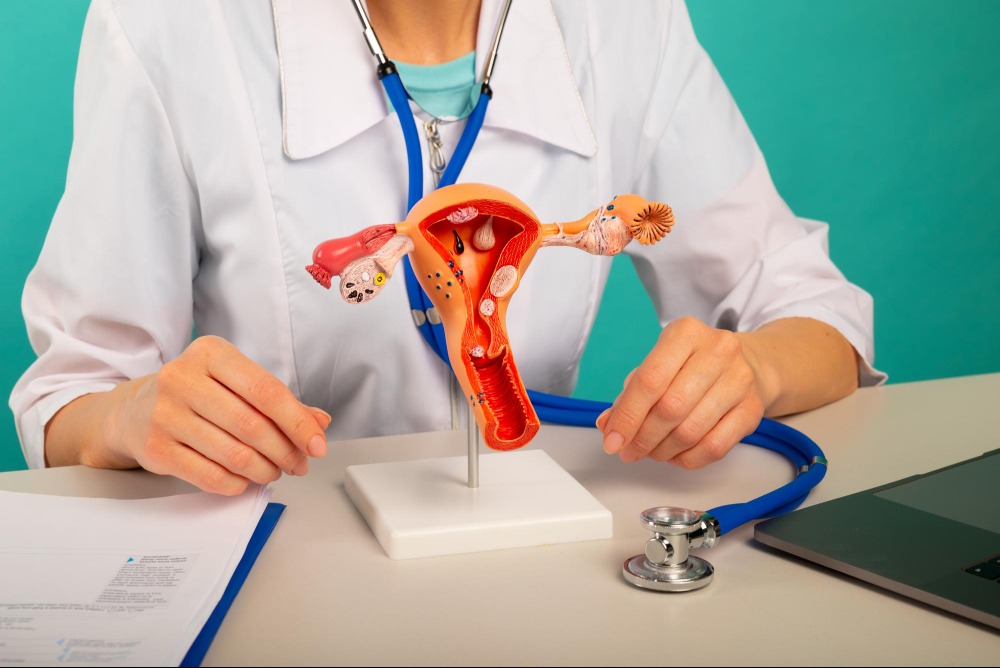
Family planning decisions are deeply personal and often influenced by health, financial planning, relationship goals, and future reproductive expectations. While some women seek permanent contraception, others later reconsider and explore fertility restoration options.
Women searching for the best tubal ligation and tubal ligation reversal doctor in Tardeo often want to understand both procedures clearly before making long-term reproductive decisions.
Tubal ligation is a surgical procedure designed to prevent pregnancy by blocking or sealing the fallopian tubes. It is generally considered a permanent contraceptive method, although reversal procedures may be possible in selected cases.
Women may consider tubal ligation after:
- Completing family planning
- Multiple pregnancies
- Medical conditions where pregnancy carries risk
- Long-term contraceptive preference
- Personal reproductive decisions
One reason women prefer this option is that it removes the need for ongoing contraceptive management. However, because the decision has long-term implications, careful counseling becomes extremely important before proceeding.
At Dr Spenta's Gynaec Clinic in Mumbai, reproductive planning discussions often focus on helping women understand future implications, surgical considerations, and alternative contraception options before choosing permanent sterilization procedures.
A common misconception is that tubal ligation reversal guarantees future pregnancy. In reality, success depends on several medical factors, including:
- Age
- Tubal health
- Type of previous ligation procedure
- Fertility status of both partners
- Hormonal and ovarian health
Women considering reversal procedures are often in different life circumstances than when the original surgery was performed. Some may have remarried, while others may simply reconsider family planning decisions years later.
Another important discussion involves emotional readiness. Permanent contraception decisions should ideally be made without external pressure from family, social expectations, or temporary circumstances.
Women in Mumbai increasingly seek consultations that provide balanced reproductive counseling instead of immediate procedural recommendations.
Tubal ligation procedures today are often performed using minimally invasive laparoscopic techniques that may allow shorter recovery times and reduced post-operative discomfort compared to older surgical approaches.
Women should also understand that reversal surgery is not the only fertility option after tubal ligation. In some cases, IVF treatment may also be discussed depending on reproductive health conditions and fertility goals.
Certain questions women commonly ask during consultation include:
- Is the procedure reversible?
- Will hormones change afterward?
- Does it affect menstruation?
- How long is recovery?
- What are the long-term risks?
Women searching for a good gynaecologist in Mumbai often prefer specialists who approach family planning conversations respectfully, without judgment or rushed decision-making.
Modern women’s healthcare increasingly recognizes that reproductive decisions can evolve over time. Whether choosing permanent contraception or exploring fertility restoration later, individualized medical guidance remains essential for making informed and confident decisions.