


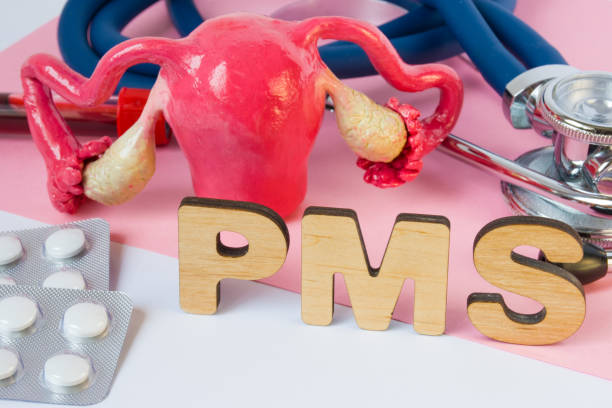
Premenstrual Dysphoric Disorder – A Severe Extension to Pms
Pain and discomfort, fatigue, mood swings, stress, sleep disturbances, and interpersonal challenges – PMS can trouble women a lot with its combinations of physical and emotional symptoms.
Premenstrual Dysphoric Disorder is a severe form of PMS that can cause more intense and extreme forms of physical and emotional symptoms triggered by PMS. It is estimated that 8-10% of women of reproductive age can succumb to this painful transition that can impair their quality of life and wreak havoc in the days that lead up to menstruation
What is Premenstrual Dysphoric Disorder?
Premenstrual Dysphoric Disorder (PMDD) is a severe form of premenstrual syndrome (PMS), characterized by intense physical and emotional symptoms that significantly interfere with the daily life of women. Unlike PMS, it is a chronic condition that manifests in the week or two before menstruation.
Unfortunately PMDD is becoming increasingly common, affecting as much as 10% of women of reproductive age. It is a severe condition that requires immediate attention from medical professionals specializing in treating Premenstrual Disorders.
Premenstrual Dysphoric Disorder – Causes and Symptoms:
Unfortunately, the exact cause of PMDD is not known. It is still considered an anomaly and an abnormal reaction of the body to the hormonal changes that happen during menstruation. However, certain risk factors have been identified to increase the risk of PMDD, including:
- History of PMS
- Underlying anxiety or depression.
- Family history of mood disorders or PMDD
- Personal history of abuse, trauma, or other highly stressful events.
PMDD can trigger a whole host of physical and emotional symptoms that are best described as a severe version of PMS. The symptoms can be versatile and vary from case to case; in general, the symptoms of PMDD include the following:
Psychological Symptoms: Severe fatigue, anxiety, agitation, forgetfulness, insomnia, paranoia, moodiness, concentration problems, confusion, lack of control, nervousness, crying spells, anger, irritability, and depression.
Neurological and Vascular Problems: Muscle spasms, dizziness, numbness, prickling, tingling, or heightened sensitivity of arms and legs, easy bruising, fainting, headache, and heart palpitations.
Skin Problems: Acne, skin inflammation, and other skin disorders.
Other Problems: Decreased sex drive, painful menstruation, food cravings, hot flashes, tender breasts, allergies, and appetite changes.