
Menopause is confirmed after 12 consecutive months without a menstrual period when there is no other medical explanation. The years leading up to it are known as perimenopause, during which hormone levels fluctuate and symptoms may appear even while periods continue.
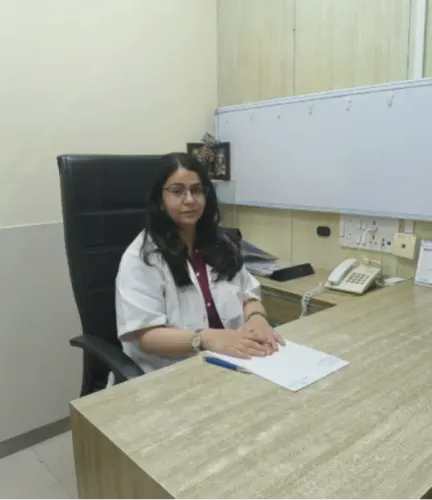
Women looking for a menopause doctor in South Mumbai can consult Dr. Spenta Sumondy at Dr. Spenta’s Gynaec Clinic. Specialist care can help distinguish expected menopausal changes from symptoms that require further investigation.
Your Symptoms Are Affecting Everyday Life
Hot flushes and night sweats are common, but their intensity varies. Medical guidance may be useful when symptoms repeatedly disturb sleep, concentration, work or social activities.
Other concerns may include:
- Mood changes or increased irritability
- Vaginal dryness
- Pain during intercourse
- Reduced sexual desire
- Urinary urgency or repeated urinary infections
- Headaches
- Joint discomfort
- Sleep disturbance
- Difficulty concentrating
A consultation can explore whether these symptoms are related to menopause, another health condition or a combination of factors.
Your Bleeding Pattern Has Changed Significantly
Periods often become irregular during perimenopause. They may occur closer together, farther apart or vary in flow. However, not every bleeding change should be attributed to hormonal fluctuations.
Assessment is particularly important for:
- Very heavy menstrual bleeding
- Bleeding lasting longer than usual
- Bleeding after sexual intercourse
- Frequent bleeding between periods
- Any vaginal bleeding after menopause
Depending on the history, the doctor may recommend a pelvic examination, ultrasound, cervical screening or evaluation of the uterine lining.
Vaginal or Urinary Symptoms Are Persistent
Declining oestrogen levels can make vaginal tissues thinner, drier and more sensitive. This may result in burning, itching or painful intercourse. Urinary urgency and repeated urinary discomfort may also develop.
These symptoms are sometimes mistaken for recurrent infections. A proper assessment helps determine whether infection, hormonal changes, a skin condition or another cause is responsible.
Treatment may include vaginal moisturisers, lubricants or local hormone therapy when suitable. The choice depends on symptom severity and medical history.
You Want to Discuss Menopausal Hormone Therapy
Menopausal hormone therapy can be effective for selected women with troublesome hot flushes and other symptoms. It is not appropriate for everyone and should be prescribed after reviewing age, symptom onset and personal medical history.
The discussion should cover:
- Previous breast or uterine conditions
- Unexplained vaginal bleeding
- Blood-clot history
- Stroke or heart disease
- Liver problems
- Migraine history
- Whether the uterus is present
The type, dose and route of treatment should be individualised. Hormone therapy should not be started solely because a friend or relative found it helpful.
You Need a Long-Term Health Review
After menopause, attention should extend beyond symptom control. Bone strength, cardiovascular health, blood pressure, cholesterol, blood sugar and weight become increasingly important.
Women may also need age-appropriate breast screening, cervical screening and assessment of osteoporosis risk. Calcium and vitamin D needs should be reviewed alongside exercise and nutrition.
Menopause Care Across South Mumbai
Women from Cuffe Parade, Colaba, Marine Lines, Charni Road and nearby areas do not need to wait until symptoms become severe. A timely review can clarify which changes are expected and which require treatment.
Schedule a consultation for personalised menopause care.
Keywords